Walter Swennen errata
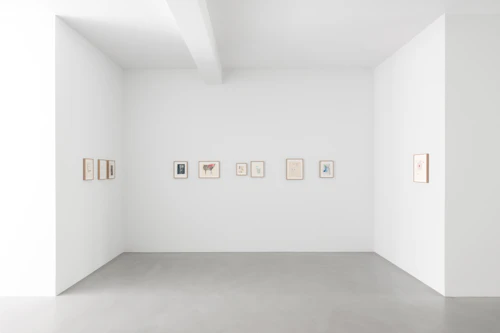
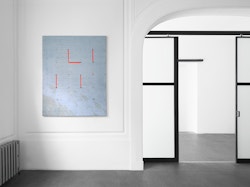
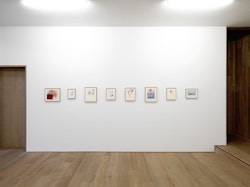
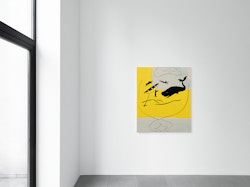
Walter Swennen often said that painting is born from a bifurcation, and that a project only becomes a work when something unforeseen emerges in the course of its making: when a leap into the unknown, an error finds its way into the image. For the first exhibition dedicated to the artist since his passing in 2025, Xavier Hufkens presents a significant group of previously unseen drawings and works on paper, curated by Yann Chateigné Tytelman.
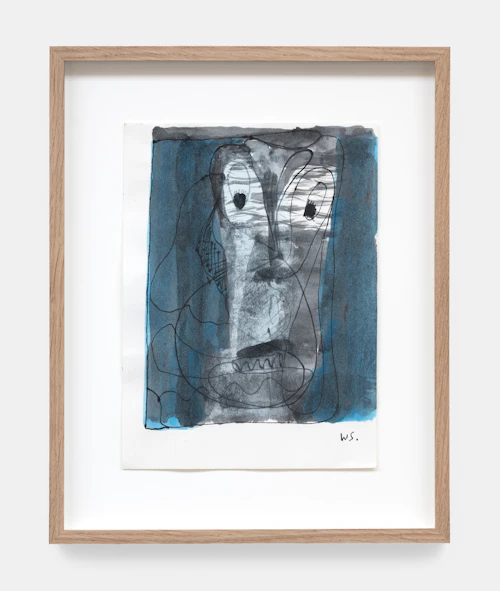
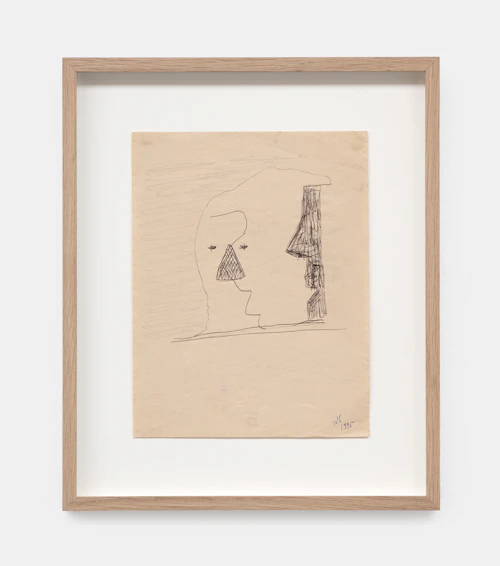
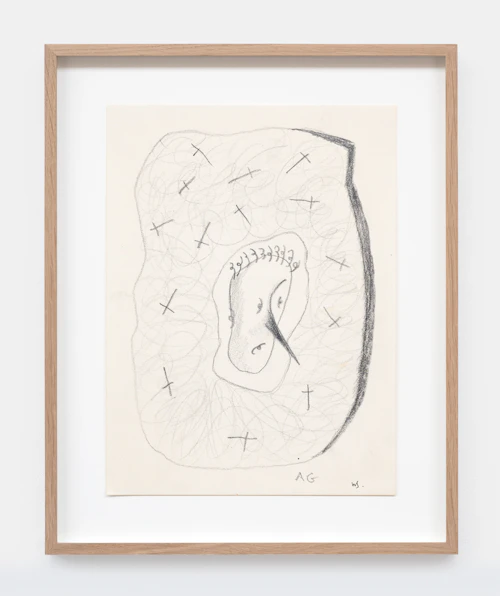
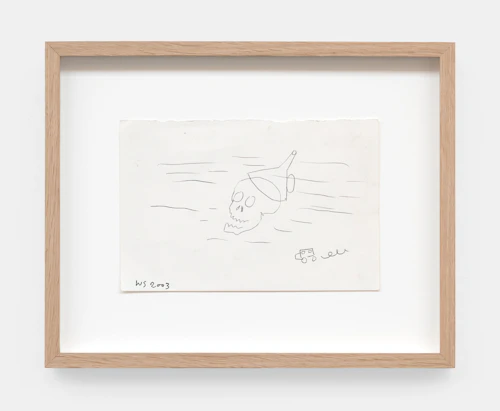
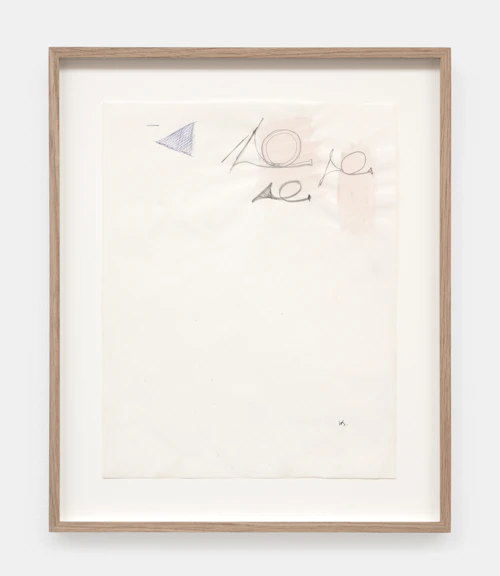
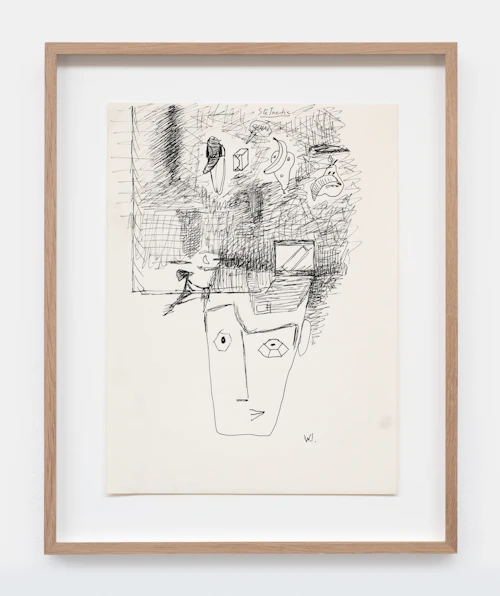
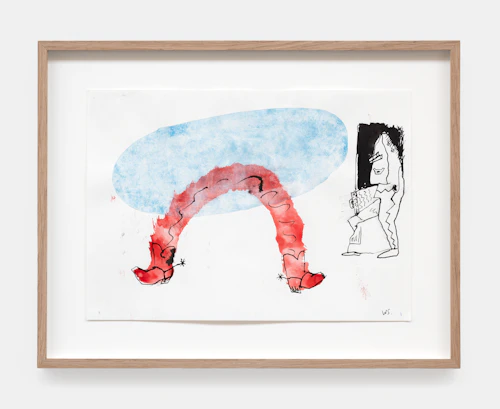
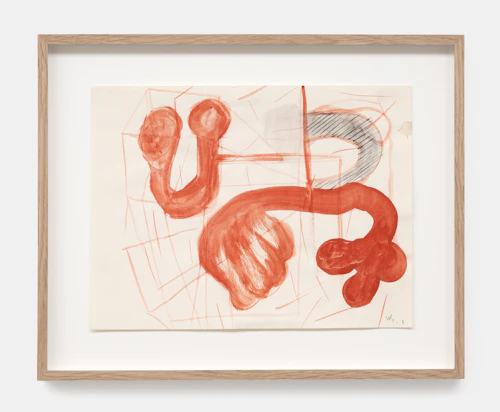
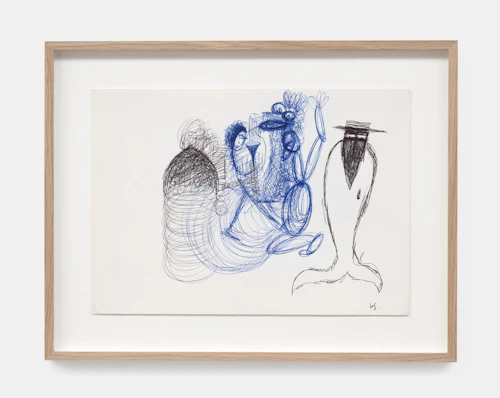
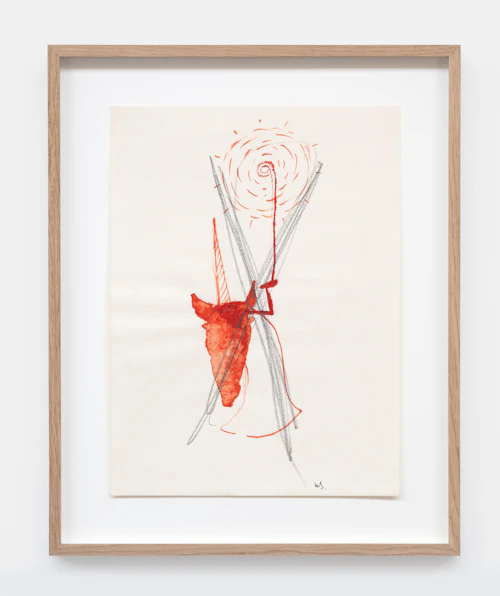
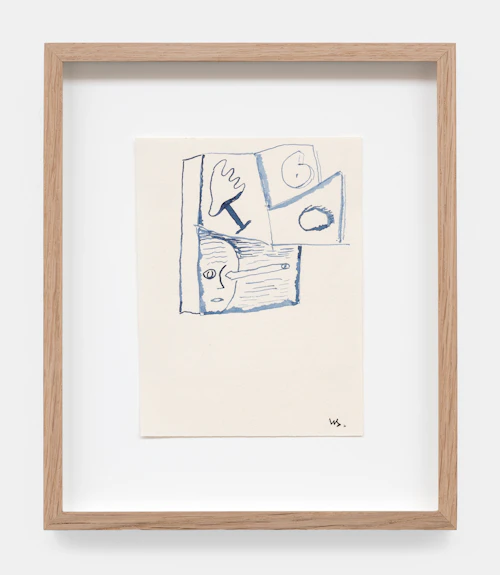
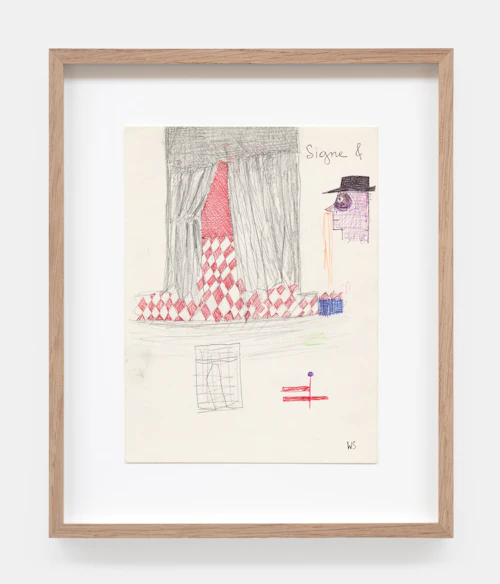
In these works, which span much of Walter Swennen’s career, it is the process itself—the artist’s laboratory—that comes into view. Sketches, tests, improvisations, repetitions, obsessions, errors: figures and motifs recur and transform, styles evolve and intermingle, techniques and supports multiply, all revealing Swennen’s persistent refusal of classification and his resistance to any attempt to reduce his practice to a single, univocal mode of painting.
One of the strategies employed by Swennen—or rather one of his “tactics,” as he preferred to call them, emphasising that his practice was shaped by a series of situational decisions rather than any overarching plan—emerges from his exploration of the powers of surprise, unexpected encounters, and chance resolutions. The works presented here reveal the inexhaustible resources of this intuitive navigation through memory and visual culture, the obscurity of the inner self, and the strange power of associations.
To look at a drawing by Walter Swennen is, in a sense, to follow the thread of his thought: to be guided by connections and references, to trace transformations and unexpected hybridizations, and to encounter “errors”—understood as interruptions in the logical and normative flow of thought—that allow these works, despite their extreme simplicity or even spareness, to radiate a singular density.
errata invites us to drift along the artist’s mental meanderings, to lose ourselves in a mental laboratory in order, ultimately, to find something else: a capacity to resist all forms of prediction; a poetics that is at once humorous, moving, and strange; a raw, almost untamed energy, critical of any form of dogma or aesthetic normativity. From error to errancy, the exhibition thus traces a passage through an inner landscape composed of a myriad of marks set down on paper, a practice that unfolds beyond established norms, and a ceaseless process of mental investigation.
One of Walter Swennen’s recurring preoccupations was the production of errata at the conclusion of his projects—books, exhibitions—revisiting, after the fact, what had already been printed, inscribed, and established. The principle of an erratum is to introduce into a finished object a correction that contradicts its content: to instill doubt, to refine, to alter a detail. In other words, to reopen what has been closed, to restore life to a form once considered complete. Applied to painting and artistic production, the logic of the erratum—or rather of errata, in the plural—can be understood as a means of generating the unforeseen, of provoking reversals, of reintroducing error and vitality into what might otherwise become a mechanical system of production.
It is also a way for the artist to reopen the meaning of his work, to introduce a disturbance—a suspension necessary to the existence of the enigma that painting represents—and to preserve a space for the viewer’s interpretation. The works on paper in this exhibition could thus be seen and read as so many errata: as ways of reactivating a body of work built entirely on an engagement with the unpredictability of existence. They stand, quite simply, as evidence of the necessary sinuosity of creative life, and of the ways in which art can become porous to the raw chaos of life itself.

Walter Swennen (born 1946 in Brussels, Belgium; died 2025, Brussels, Belgium) is considered one of the most influential, uncompromising, and singular Belgian artists of recent decades. His work was recently celebrated in a retrospective at the Kunstmuseum Bonn (2021), which also traveled to the Gemeentemuseum Den Haag (2021) and the Kunst Museum Winterthur (2022). Major solo exhibitions include La pittura farà da sé, La Triennale di Milano, Milan (2018); Ein perfektes Alibi, Kunstverein für die Rheinlande und Westfalen, Düsseldorf (2015); So Far So Good, WIELS, Brussels (2013–14); Continuer, Culturgest Lisbon (2013); Garibaldi Slept Here, Kunstverein Freiburg (2012); and How To Paint A Horse, Cultuurcentrum Strombeek and De Garage, Mechelen (2008).
Related exhibitions
Selected works

![]()
Untitled

![]()
Untitled

![]()
Untitled

![]()
Untitled

![]()
Untitled

![]()
Untitled, 1969

![]()
Untitled, 2009
![]()
Untitled

![]()
Untitled

![]()
Untitled

![]()
Untitled

![]()
Untitled

![]()
Untitled

![]()
Untitled
![]()
Untitled, 1995

![]()
Untitled, 1982

![]()
Untitled, 2011

![]()
Untitled

![]()
Untitled

![]()
Untitled

![]()
Untitled

![]()
Untitled

![]()
Untitled

![]()
Untitled

![]()
Untitled, 1998
![]()
Untitled
![]()
Untitled, 2003
![]()
Untitled

![]()
Untitled

![]()
Untitled

![]()
Untitled

![]()
Untitled

![]()
Untitled

![]()
Untitled

![]()
Untitled

![]()
Untitled

![]()
Untitled

![]()
Untitled, 2002

![]()
Untitled, 2025

![]()
Untitled
![]()
Untitled
![]()
Untitled

![]()
Untitled

![]()
Untitled

![]()
Untitled

![]()
Untitled
![]()
Untitled

![]()
Untitled, 1984

![]()
Untitled
![]()
Untitled

![]()
Untitled

![]()
Untitled
![]()
Untitled

![]()
Untitled

![]()
Untitled

![]()
Untitled

![]()
Untitled

![]()
Untitled

![]()
Untitled
![]()
Untitled

![]()
Untitled

![]()
Untitled

![]()
Untitled

![]()
Untitled

![]()
Untitled

![]()
Untitled

![]()
Untitled
![]()
Untitled

![]()
Untitled

![]()
Untitled

![]()
Untitled

![]()
Untitled

![]()
Untitled

![]()
Untitled

![]()
Untitled

![]()
Untitled

![]()
Untitled

![]()
Untitled

![]()
Untitled

![]()
Untitled